
Antibody Champions recruited to deliver 3Rs impact across the UK
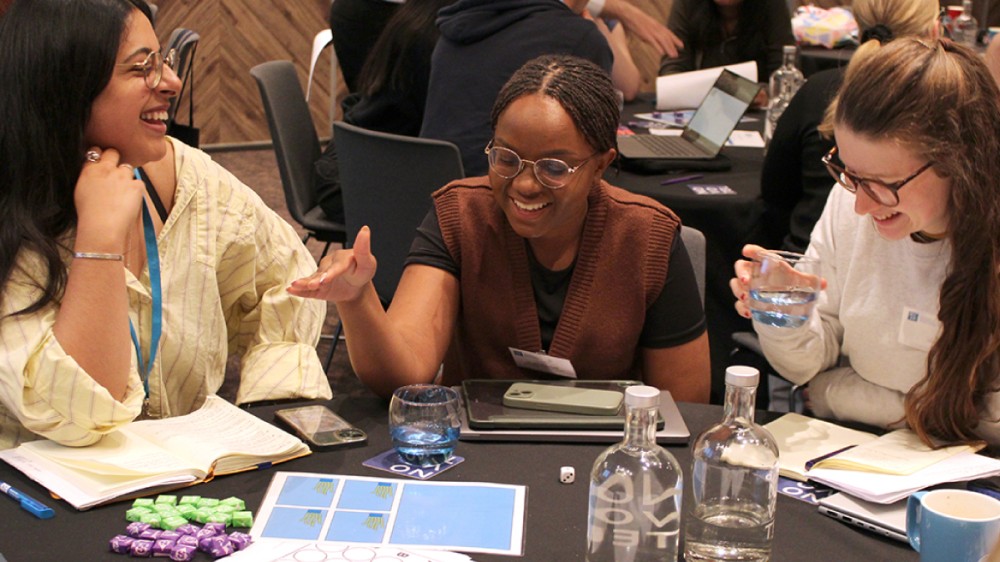
Working with the Only Good Antibodies (OGA) community we have recruited 16 researchers who will drive the validation and use of better antibodies.
Batch-to-batch variation in animal-derived antibodies impacts target specificity and reproducibility between experiments. Experiments which give inaccurate results or are not reproducible delay scientific progress and drug development pipelines and lead to the unnecessary use of animals in vivo studies that are based on unreliable in vitro data.
To tackle this issue the joint OGA/NC3Rs Antibody Champions scheme has recruited 16 researchers to help drive the validation and use of high-quality antibodies across the research community. The Champions are based across the UK and work across a range of disciplines, from stroke-on-a-chip and stem cell dementia models to snake venom biology and kidney imaging.
Over the 12-month programme, Antibody Champions will be given training in antibody selection and validation, ensuring that antibodies selected for use are the most likely to give accurate and reproducible results. They will take this knowledge back to their own institutions, providing guidance and promoting best practice locally. This will include highlighting the advantages of using non-animal derived antibodies over traditional monoclonal/polyclonal antibodies, and how to search for or generate antibody validation data. The first meeting will take place this week and we look forward to welcoming the Champions to the programme.
Find out more about the OGA/NC3Rs Antibody Champions:
Abigail is a postdoctoral research Fellow looking at developing novel non-invasive treatments for aggressive brain cancer, using Drosophila models and patient-derived stem cells.
Abika is a PhD candidate who is using glycosaminoglycans as biomarkers in the ageing and cancer matrix.
Ben is a BHF-NC3Rs funded PhD student exploring how amyloid aggregates affect vascular smooth muscle cells, applying non-animal antibody development methods to discover potential protein inhibitors.
Charlie is a stem cell biologist working with patient-derived models of dementia, using antibodies to detect and measure the earliest changes that might underlie the disease.
Christina is a postdoctoral research associate exploring immune responses in cardiovascular disease through flow cytometry and immunofluorescence imaging, with a strong interest in antibody validation and reproducible research.
Ella is a life sciences PhD student researching maternal and fetal health, developing a model to study changes in blood flow seen in pre-eclamptic pregnancies and how these affect blood clotting and endothelial activation.
Jeyapriya is a BBSRC DTP student working on regenerative medicine for nerve applications, following the 3Rs principles.
Lorna is a postdoctoral researcher improving analytical and imaging technologies in glycobiology, enabling multi-modal imaging and multi-omic analysis of the kidney.
Lovely is a PhD researcher in the Centre for Predictive in vitro Models, studying how inflammation and mechanical stimuli regulate primary cilia in kidney epithelial cells, with relevance to polycystic kidney disease.
Neil is a researcher focused on skeletal tissue biology across species, with extensive experience validating antibodies that are both target-specific and conserved across species for musculoskeletal research.
Ridvan is an NC3Rs-funded PhD student developing a human stroke-on-a-chip model using iPSCs and microfluidic technology to replace some animal use in stroke research.
Rosie is a PhD student in parasitology with previous research on the complement system, where antibody optimisation was a central part of the work.
Siâny is an MRC AIM DTP PhD student with a background in immunology and biomedical science. A qualified teacher passionate about science communication, optimising research and everything antibodies-related.
Stefanie is a lecturer in Molecular Cell Biology leading research on antibody discovery, snake venom biology and translational approaches to diagnostics and therapeutics, with prior research roles at the Liverpool School of Tropical Medicine.
Sukriti is a graduate student at the MRC Protein Phosphorylation and Ubiquitylation Unit studying proteins through structural and biochemical approaches, with a keen interest in antibody validation pipelines.
Wiktoria is a bioscience laboratory scientist with an MSc in Immunology & Immunotherapy and a BSc in Biotechnology from the University of Nottingham, bringing a passion for innovative research to advance understanding of pet health.