To support the adoption of non-aversive methods for picking up mice, we have produced an A2-sized poster for display.
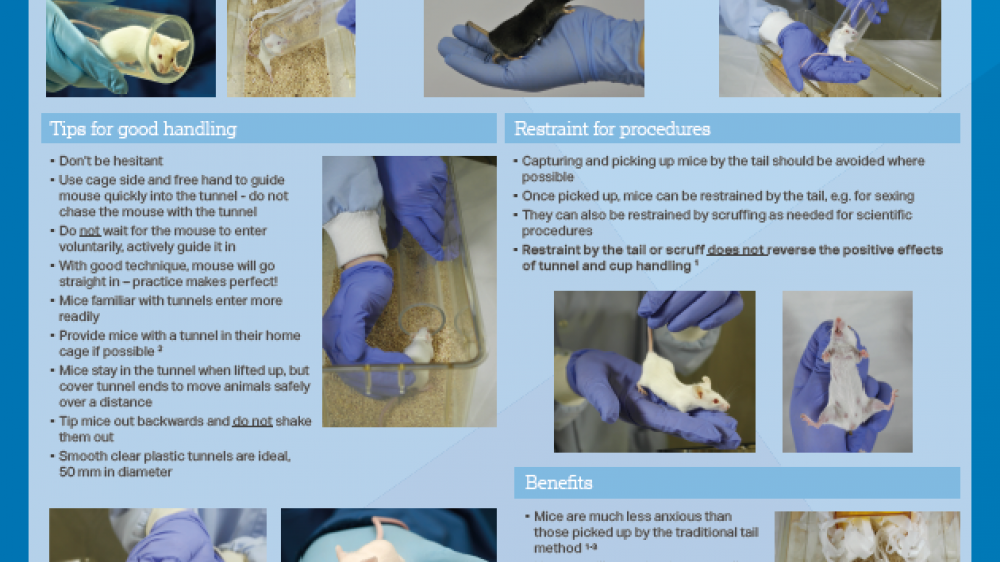

To support the adoption of non-aversive methods for picking up mice, we have produced an A2-sized poster for display.
Professor Jane Hurst and Mr John Waters answer your questions about the refined handling techniques.
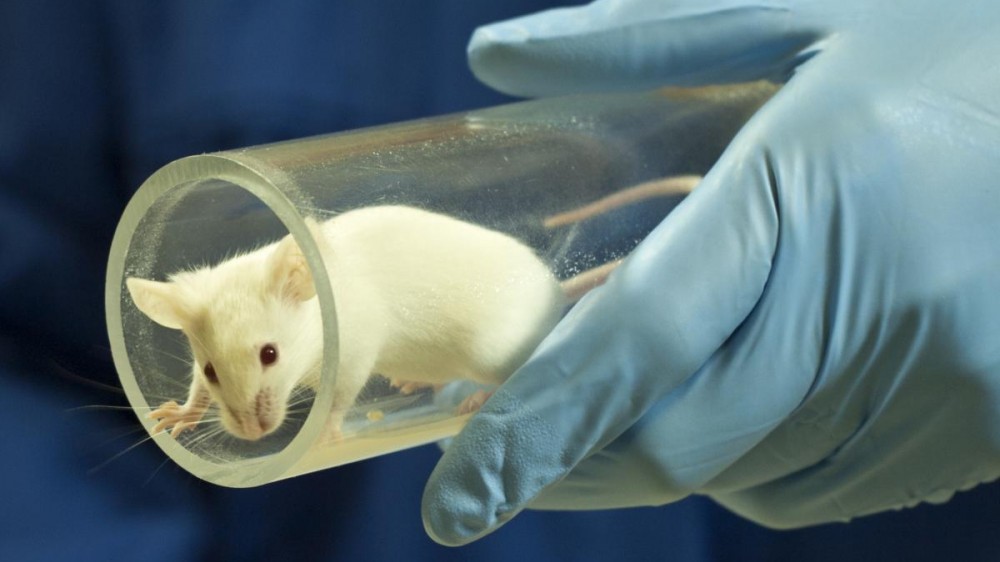
Tips and strategies for rolling out the refined handling methods in your facility.
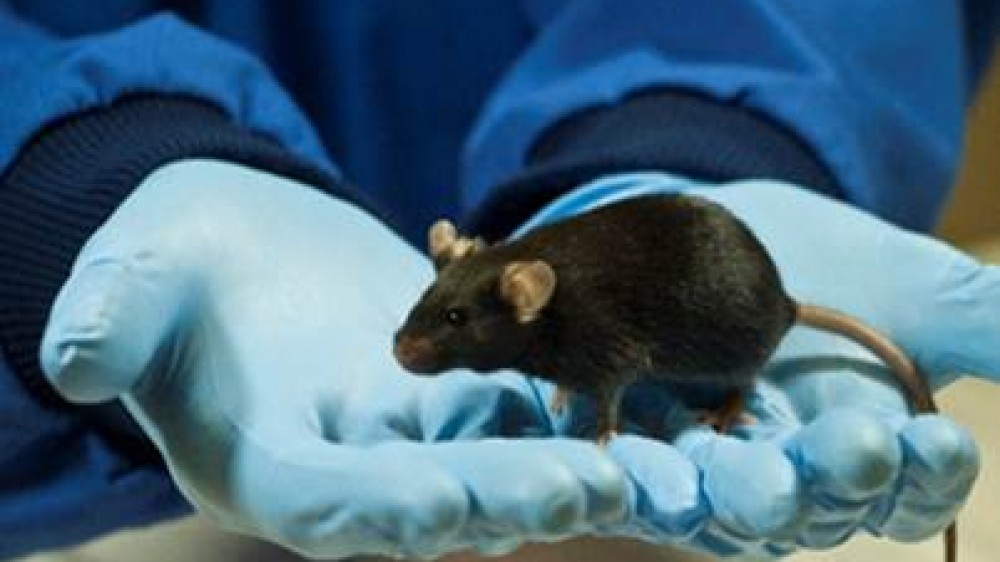
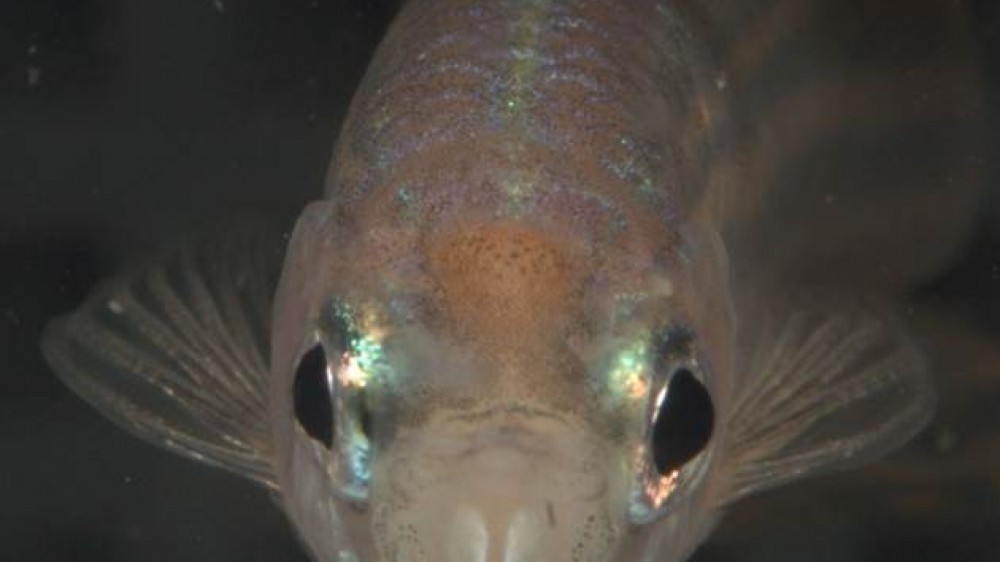
The Fish Behaviour Index (FBI) is an automated tool to monitor the behaviour of singly housed zebrafish.
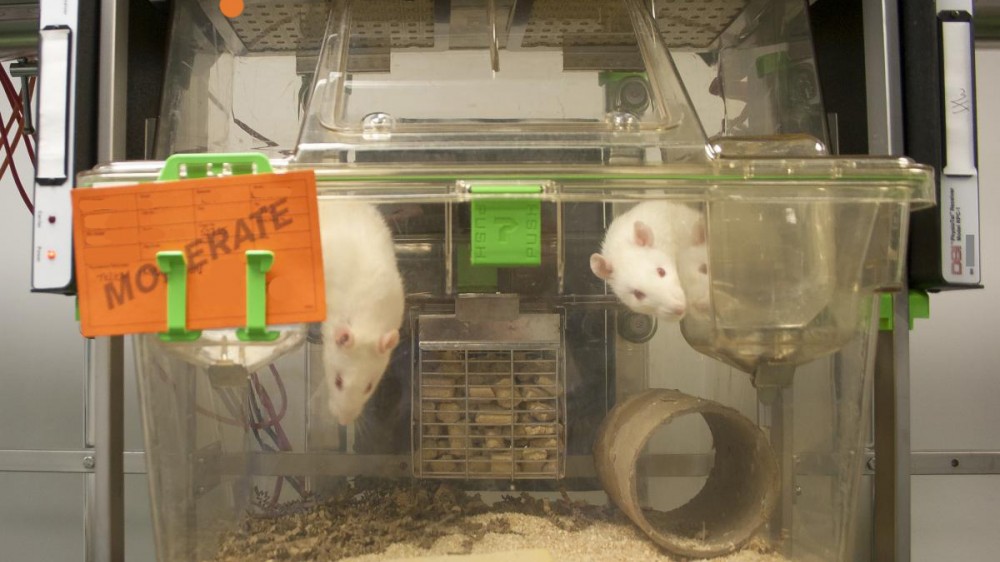
The welfare benefits of double-decker rodent cages in allowing rats to engage in natural behaviours.
A video tutorial for technical staff and researchers in how to handle mice using non-aversive methods.
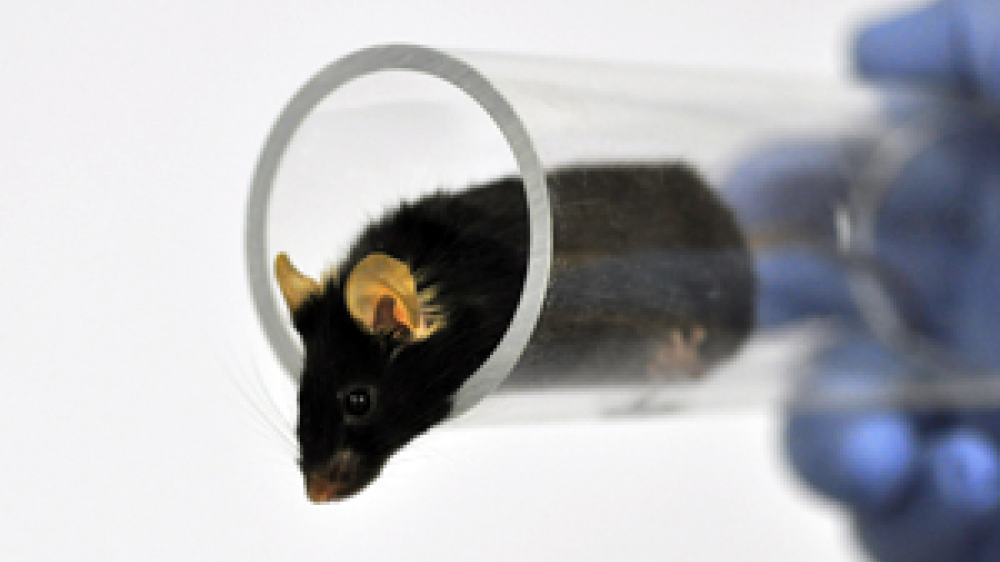
Professor Jane Hurst of the University of Liverpool shares the evidence base supporting refined mouse handling techniques as well as practical advice
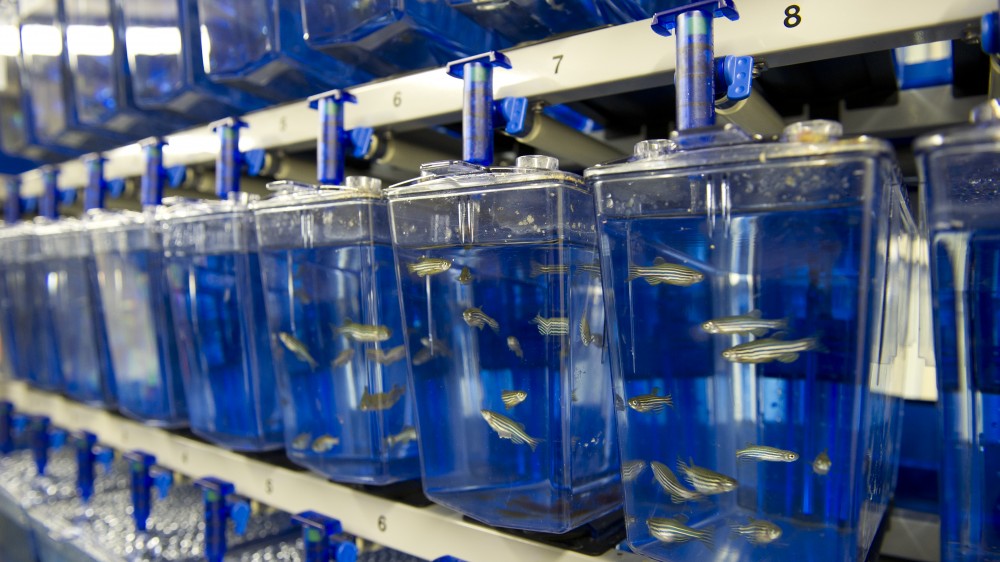
Group housed zebrafish show lower levels of stress and anxiety when they undergo procedures than those who are housed singly.
Download short video clips for use in in-house training.
Key issues for the humane killing of laboratory animals.
A comprehensive resource on common marmosets, funded by the NC3Rs.
It starts at the very beginning: Scientific and welfare reasons for reviewing neonate care
General principles in analgesia to support best practice.
Examples of study designs that may be used for microsampling from either main study animals or from satellite groups of animals.
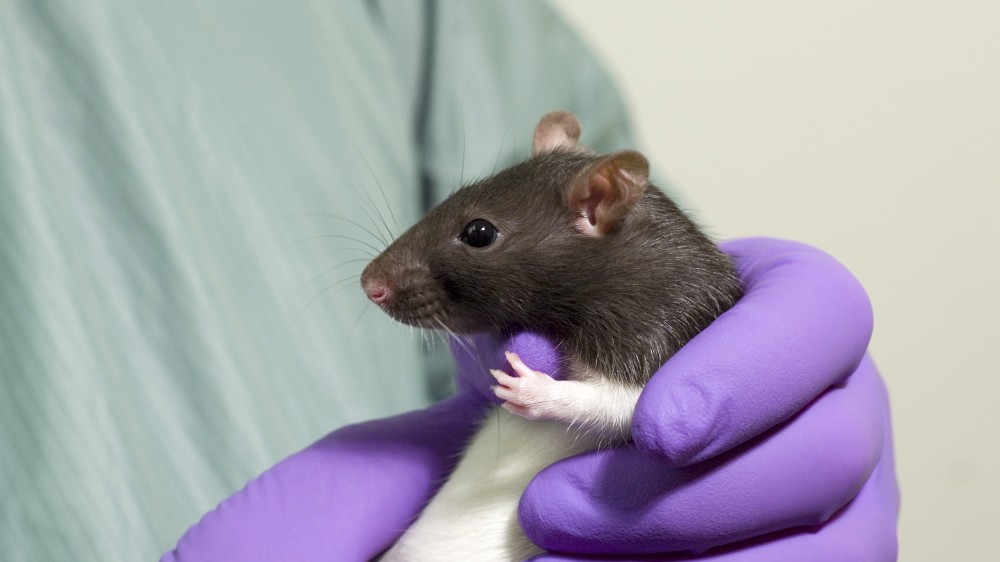
Watch your Back! The importance of background strain.
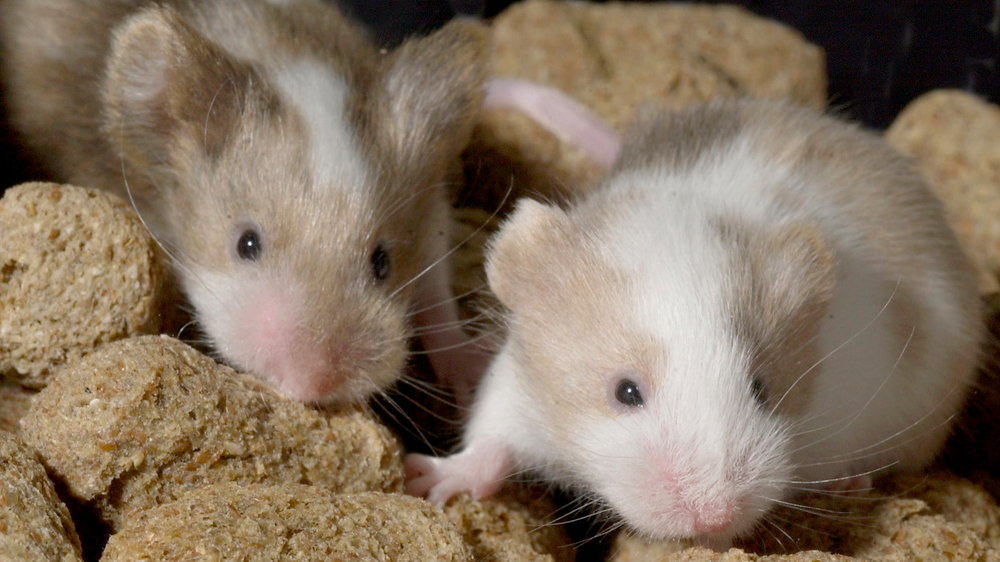
A discussion of the animal welfare challenges around the generation of GA mice, and strategies for improving welfare.
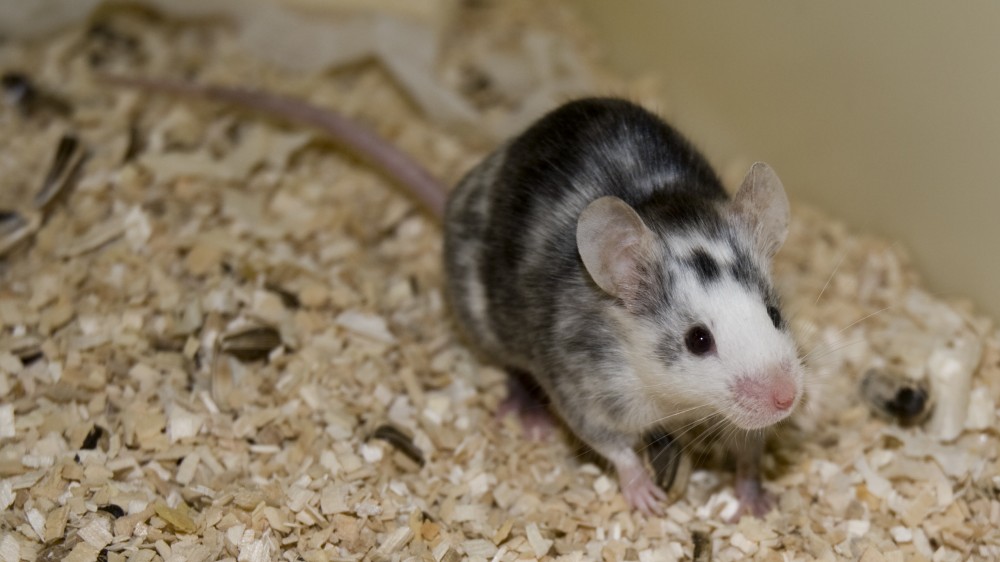
General principles for welfare assessments.
Wiki on refinement of the use of chronic implants in neuroscience research using non-human primates. DISCONTINUED.

Guidelines on the use of food and fluid control in behavioural neuroscience.