
Making refined mouse handling the UK standard
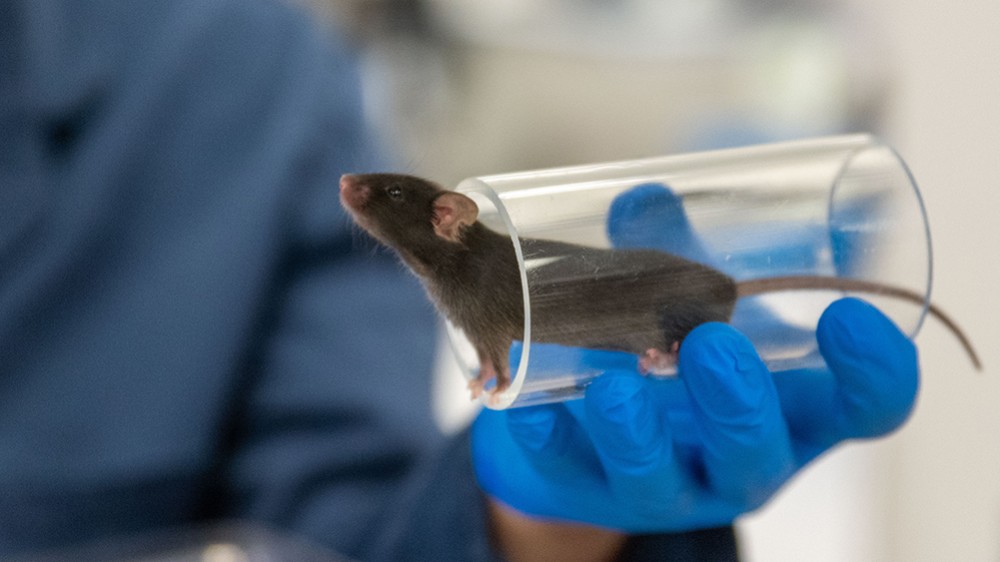
The NC3Rs is supporting technical staff at Newcastle University to drive the uptake of refined mouse pick up methods across UK institutions.
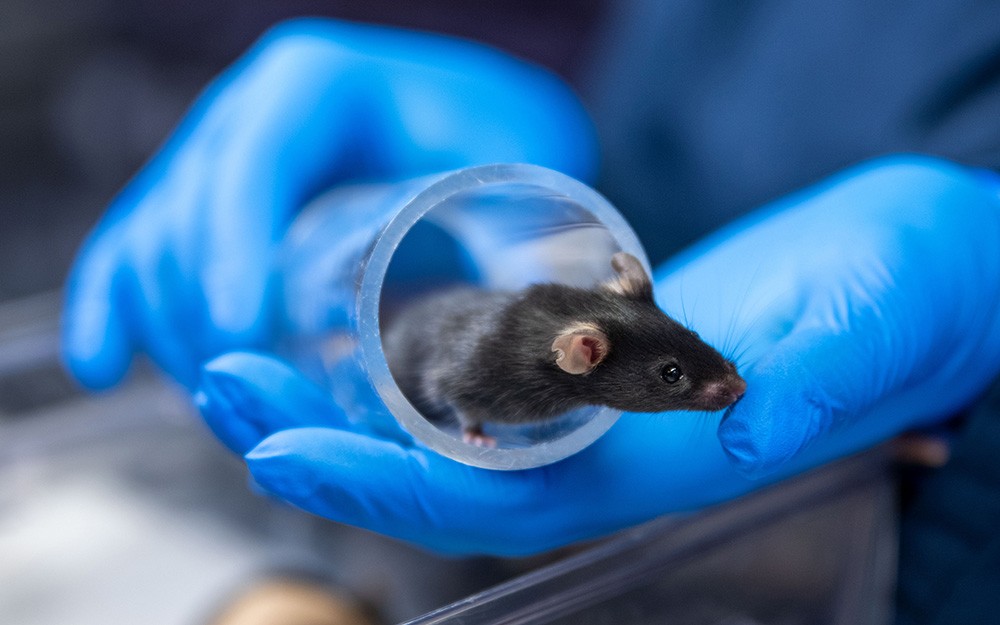
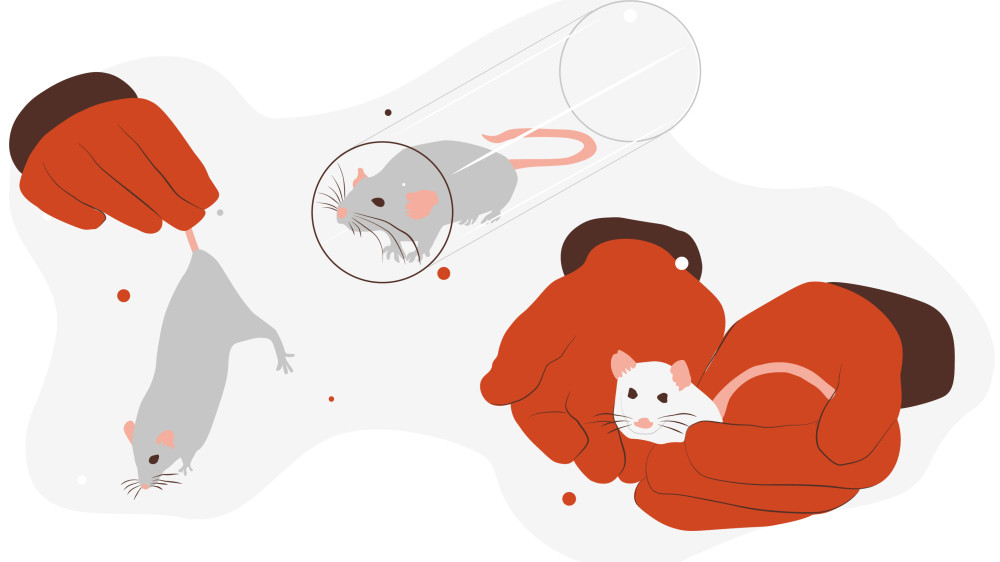
The way laboratory animals are handled has a major impact on their welfare. Changing the way mice are picked up, using a tunnel or cupped hands instead of picking them up by the tail, is a significant refinement for laboratory mice. Since the initial publication showing the welfare benefits of refined handling techniques in 2010, research has overwhelmingly shown that mice picked up using cup and tunnel methods display lower anxiety and greater willingness to interact with handlers than mice picked up by the tail.
Newcastle University has implemented an institution-wide refined handling policy, and mice in their animal facility are only ever picked up using these techniques. The NC3Rs covered transport and accommodation costs to allow animal technicians at the University to share their experiences and practical mouse handling skills with others through technician-led workshops across the UK.
“We believe that all mice used in research should be picked up using low stress, refined methods and we want to share our experiences and support other institutions to make this the standard within their own mouse units.”
– Claire Robinson, Named Training and Competency Officer (NTCO) at Newcastle University.
Hear more from Claire about making refined handling methods the new normal in Tech3Rs, our dedicated newsletter for animal technicians.
We caught up with Claire and Terri-Anne Cooper (a procedural technician) from Newcastle University about their experience delivering two workshops at the University of Leeds – an in-person session with 12 animal technicians and an online course for over 40 researchers working with mice. Discover how their workshops have helped staff at the University of Leeds to implement refined handling and their plans to support more facilities.
Tell us about your collaboration with Leeds?
The NC3Rs connected us with Brian Jackson, head of research facilities at the University of Leeds, who had read our Tech3Rs article and was interested in getting more support to implement refined handling. We developed bespoke training based on the current progress and challenges the Leeds team had with implementing refined handling, discussing how we could support their journey towards becoming a 100% refined handling establishment.
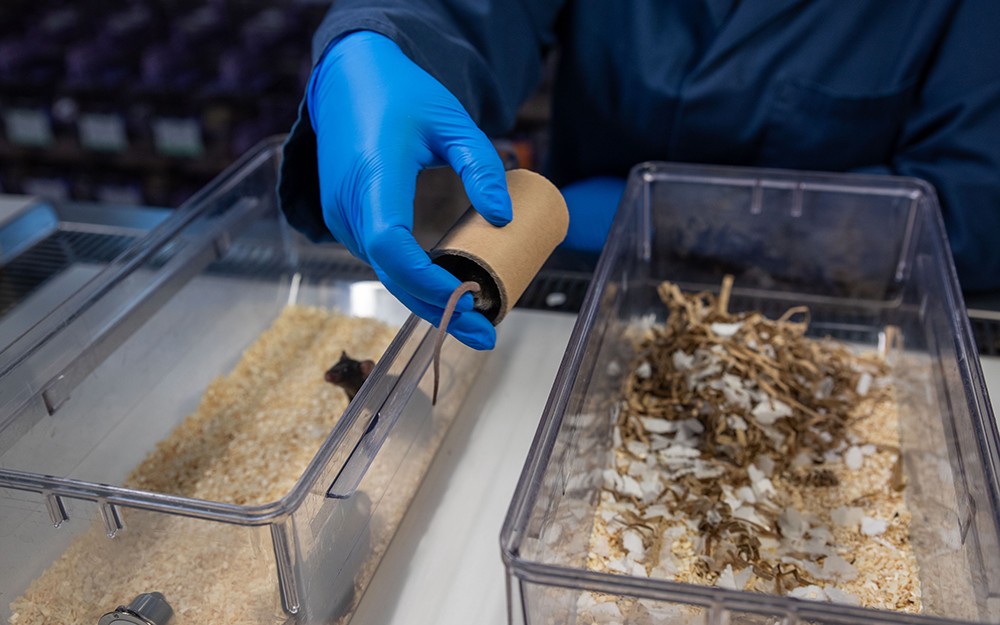
The first step was for all staff interested in training to complete the refined mouse handling e-learning course, created by the NC3Rs and the US-based 3Rs Collaborative (3RsC). This introduces the techniques and evidence for the welfare impacts of refined handling for mice. Terri-Anne, and two other technicians from the Newcastle team, Demi Minhinnett and Matthew Chapman, visited the animal facility at Leeds to deliver an in-person workshop with their technical staff. With attendees already covering the theory behind refined handling in the e-learning course, during the visit the Newcastle team could focus on putting this into practice with hands-on support to implement the techniques.
How did the practical workshop with technicians go?
From the get-go, the Leeds technical team were really welcoming and fully engaged, especially during the interactive parts of the workshop where we explored their current views and experiences with refined handling. We had prepared some printed ‘cheat sheets’ with simple, practical tips designed to make the techniques easier to apply day-to-day, which were well received and sparked some great conversations.
The practical session was at the heart of the workshop. We split into three smaller groups, each led by a Newcastle University technician, to ensure everyone had the opportunity for one-to-one support. After observing live demonstrations of the handling techniques, the Leeds team put what they had learned into action. To really test the approach and build confidence in their skills, we helped them to practice the techniques on the most ‘challenging’ animals – their super active CD-1s, breeding animals, weaning-age mice, and those jumpy mice that always seem ready to escape. Together, we worked through how refined handling could be adapted and used in these tricky situations.
At the end of the visit, we revisited the team’s initial thoughts and asked whether their views had shifted – had we helped address any concerns and did they feel more confident to use refined handling? The responses were thoughtful and encouraging and it was clear that the workshop had made a real impact. We also opened a discussion about how these changes could be implemented across the whole establishment, and what support we could offer to help make that happen.
It was a brilliant day of collaboration, learning and practical problem-solving. We left excited to see how the Leeds technical team would continue to build on this momentum and embed refined handling into their everyday work. Following the success of the initial workshop, the team at Leeds asked us to support them further with an online workshop adapted for their researchers.
How did you adapt the training for researchers?
From our experience researchers have different queries to those of technical staff, so it was important that we focused on their experiences and challenges. The researchers at Leeds ranged from individuals who had over five years of experience working with mice to early career researchers with much less experience, some less than a year. Both Newcastle and Leeds Universities carry out research involving mice in cardiovascular disease, cancer research, neuroscience and rare genetic diseases, so many of the techniques used are similar. Considering how to best support researchers at the University of Leeds to use refined handling provided a valuable opportunity to reflect on how researchers at our own institution experienced concerns or required reassurance when implementing refined methods.
The online training began with a discussion of cup/tunnel versus tail handling. We talked through our own experiences during our shift to refined handling. This included how we had overcome challenges in our facility, such as concerns that refined techniques were more difficult and time-consuming, and that switching techniques could impact research outcomes.
We showed video footage of the Newcastle team using refined handling methods during various procedures including common situations or those where people may think cup/tunnel handling is not suitable or possible, such as in isolators, during the unboxing of animals from suppliers and weighing animals. This also included footage from one of our research teams showing how easy it is to recapture animals using cup/tunnel handling methods when mice escape. The videos helped to encourage discussion and address some concerns that the researchers had, including the perceived slower pace of refined handling when working with mice. Researchers told us that seeing videos of cup/tunnel handling in action were really helpful to visualise the techniques and understand how they fit in with procedural work.
How did the researchers’ opinions change during the workshop?
At the start of the workshop, we asked researchers about their prior experience with refined handling and what words they associated with different handing techniques. Over half of the researchers at Leeds had tried cup/tunnel handling before the online workshop. Of those that had tried it, only 21% continued to use it consistently and 54% had never used it again or used it less than half of the time. The words they associated with tail handling included “quick, easy, safe, brief”, whereas for refined handling common words were “slower, time-consuming, inconvenient, interference with science”. These perceptions were similar to those of the Newcastle researcher and staff community when we started the transition to refined techniques. It was fantastic to see that by the end of the workshop the words or phrases the researchers associated with refined handling were “less stressful, kinder, easy with training, fewer bites, and happy animals”. We were pleased that researchers rated their confidence in adopting refined handling methods at an average of 4.5 out of 5 in feedback gathered at the end of the session.
What changes have there been at Leeds and Newcastle since the workshops?
The University of Leeds Animal Welfare Ethical Review Body (AWERB) has made refined handling the standard approach used across the institution. The technical team updated us with how they took the lead on this change and supported researchers through the transition by offering drop-in sessions for hands-on training in refined techniques, tailored to the needs of researchers. Technical staff and researchers have now moved to 100% cup/tunnel handling and new researchers are only being trained to pick up mice using refined methods.
At Newcastle, we currently have a research team looking into implementing training on refined handling when ‘escapes’ occur, with some interesting results so far. Our goal is to use this research and training to show that mice, when consistently handled by refined methods, can be easily captured again using cup/tunnel techniques.
Where do you see the future heading for refined mouse handling?
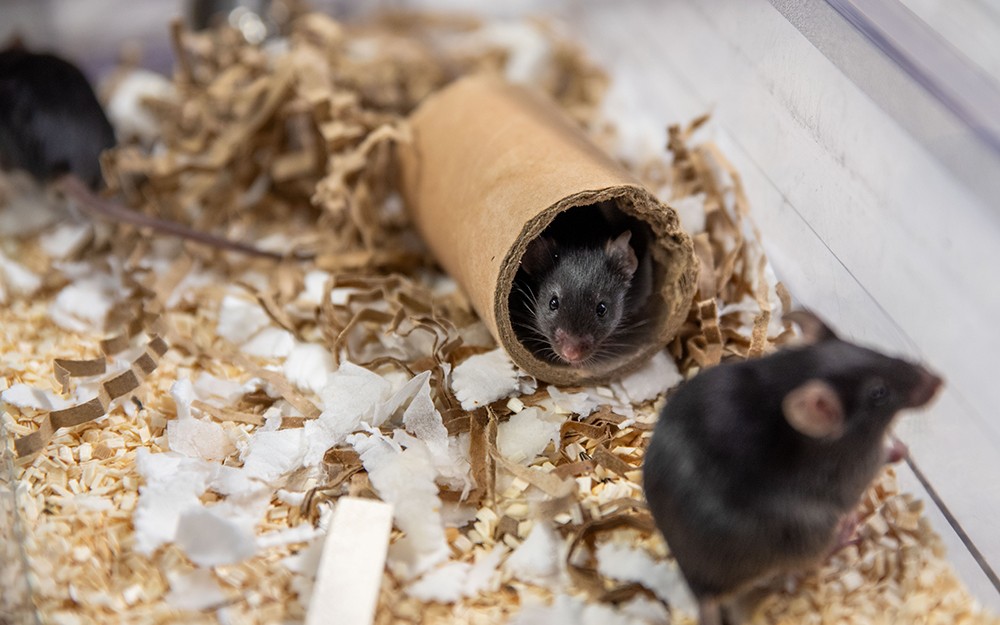
Our goal is that every single mouse globally is handled using refined methods and that in the future no new animal technologists or researchers will be trained in methods of handling other than refined techniques. But for now, our focus is to make this standard for all mice housed in research facilities in the UK.
We understand that the emotional impact of changing practice can be a barrier to implementation – for us, there was an element of guilt that we had previously used tail handling approaches. Our goal is to educate people on how they can make changes to improve animal welfare and the established evidence base for the benefits of refined handling. We want to meet people where they are and support them in a safe space to address barriers and commit to improvements. New discoveries about the welfare impact of practices that are, or have been, widely used bring emotional challenges for those working with animals in research. These can be difficult to reflect on, as technicians and researchers care deeply about the welfare of the animals they work with, but represent positive progress towards refinement. Each time that happens, we must reframe it as an opportunity to be part of the change – working to improve welfare for all animals.
Learn more about the evidence behind refined handling and watch video demonstrations of the methods, in a course developed in collaboration with the 3Rs Collaborative.
If you would like support with making refined handling the standard at your facility, including communicating with research staff and drafting a policy to take to your AWERB, get in touch at: tech3rs@nc3rs.org.uk.