A webinar providing an overview of the Precision Injection System developed to address the 2019 Sharp and to the Point Challenge.

A webinar providing an overview of the Precision Injection System developed to address the 2019 Sharp and to the Point Challenge.
A webinar to raise awareness of the microsampling technique and encourage wider adoption.
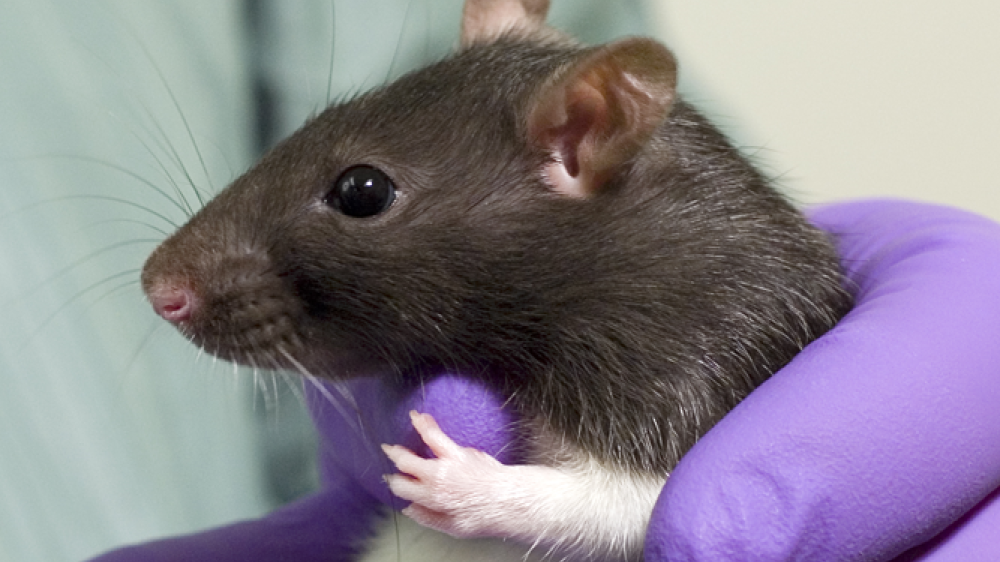
A series of video tutorials to develop skills in the administration of substances and apply best practice in aseptic surgical techniques in rodents.
Archiving can provide a back-up to production colonies, minimise genetic drift, reduce the need for tick-over colonies and preserve valuable models.

A series of workshops as part of our project to implement the 3Rs in WHO guidelines.

Supporting technicians in assessing the welfare impact of enrichment.
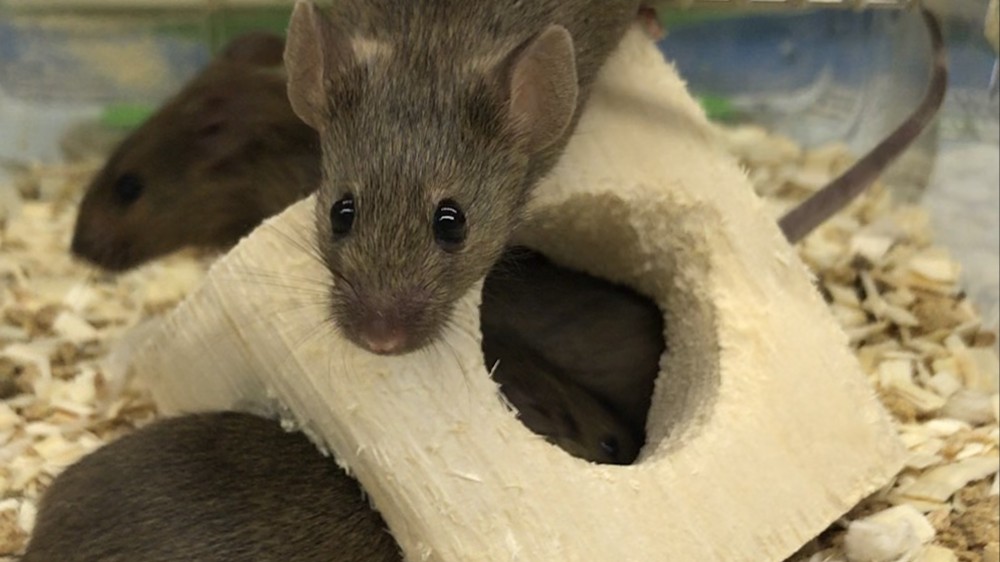
Guidance on modifying our example protocols to design your own studies.
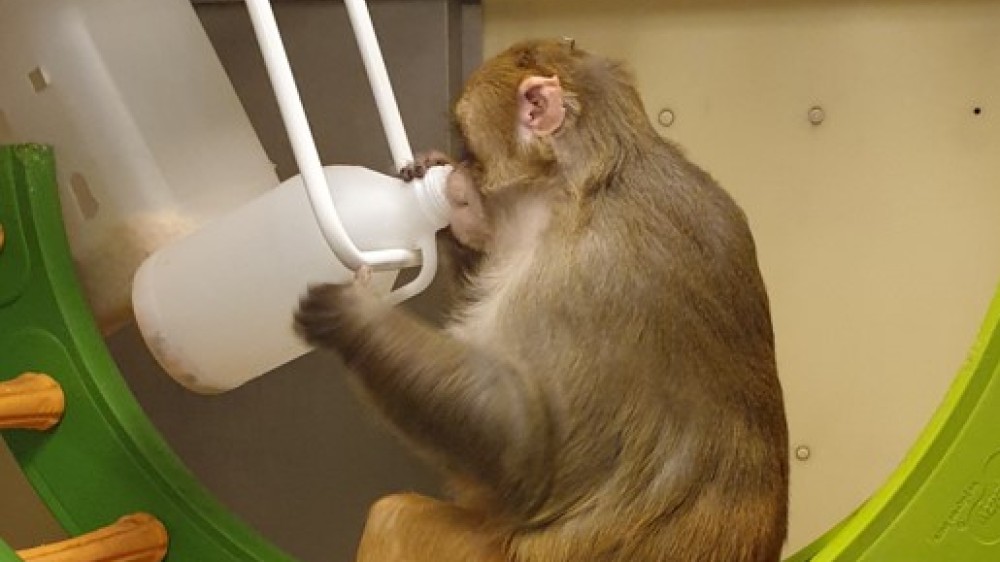
Guidance on using motivation tests to evaluate environmental enrichment.
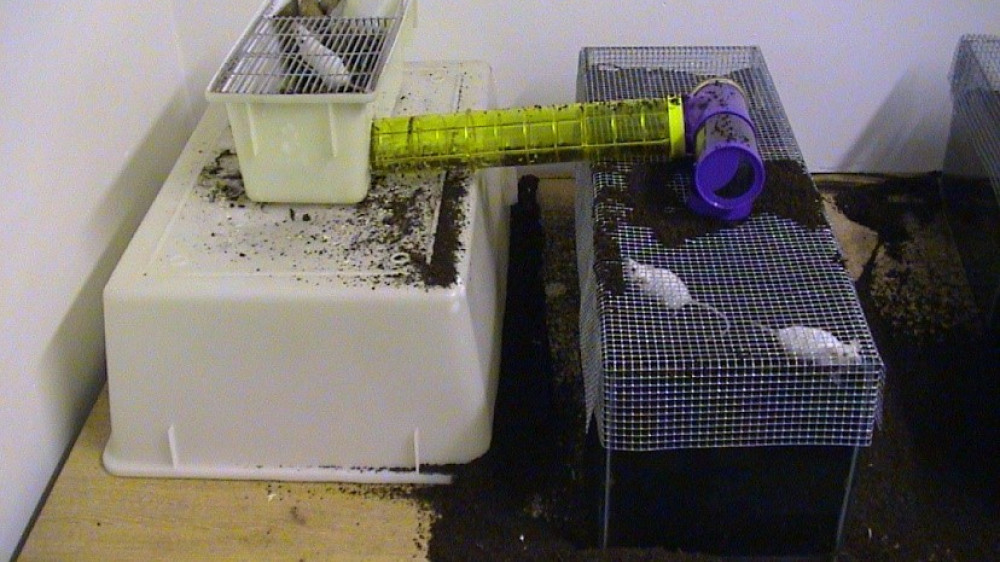
Guidance on using ethograms to evaluate environmental enrichment, including examples.
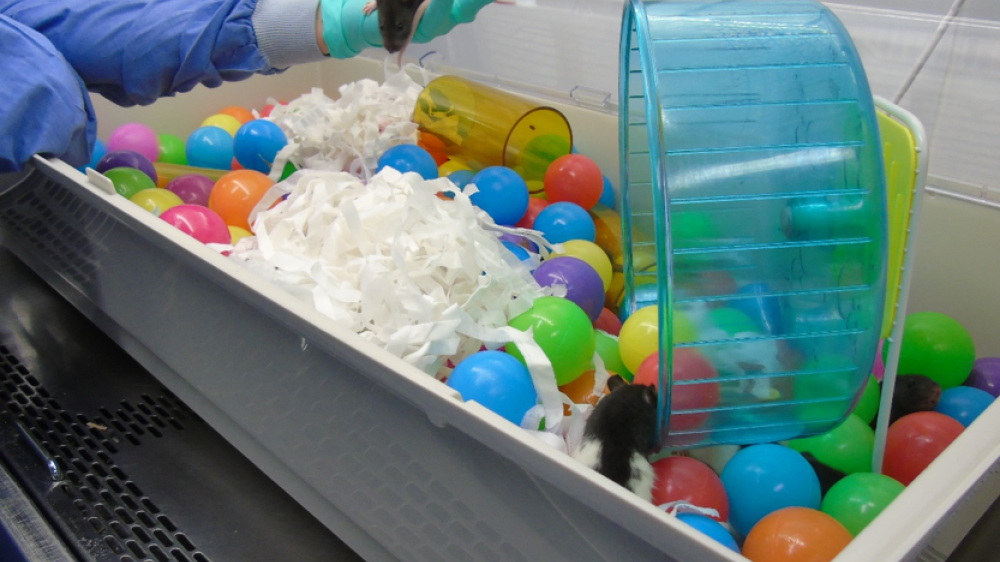
Guidance on using preference tests to evaluate environmental enrichment.
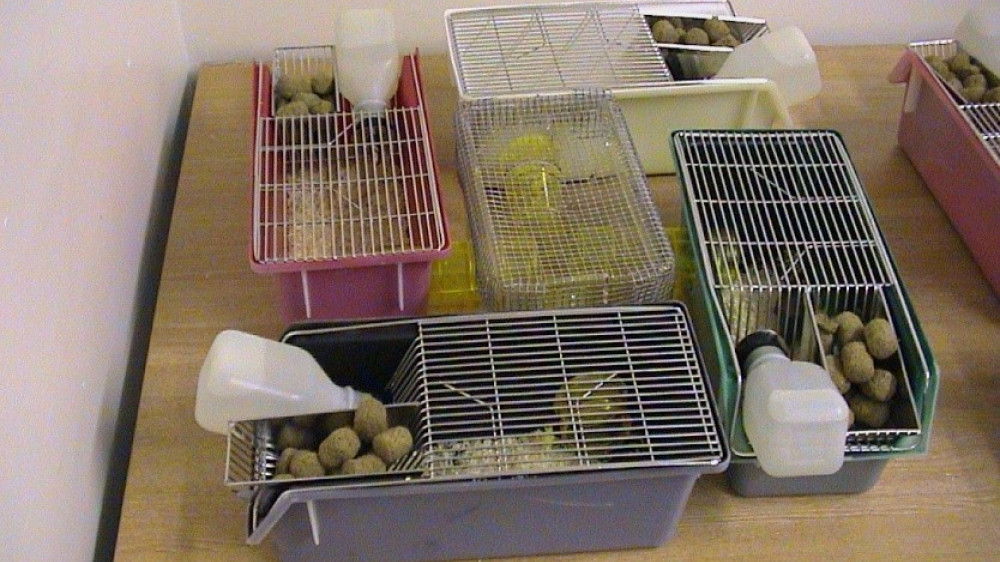
Guidance on how to conduct an evaluation of environmental enrichment.

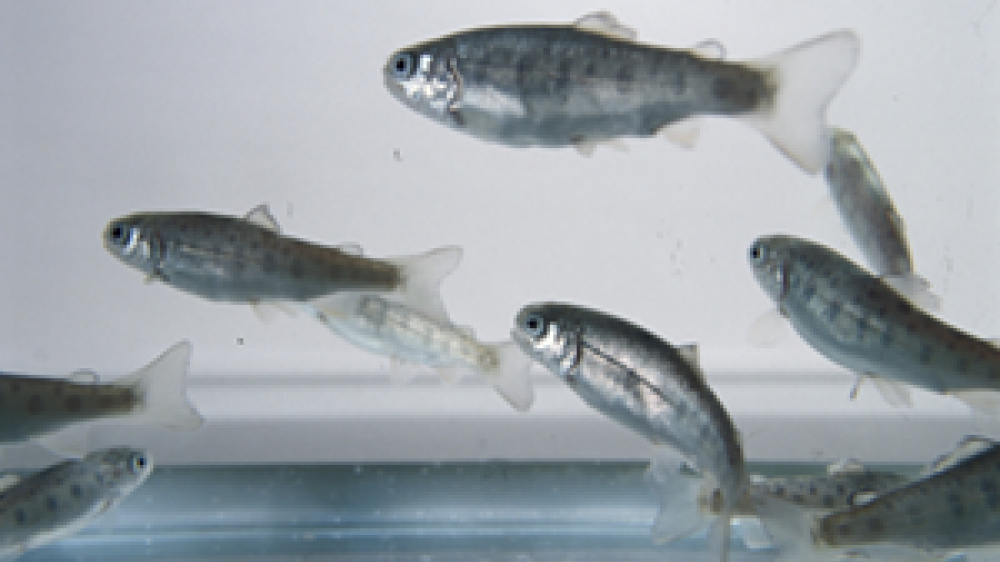
Webinar showcasing ongoing and novel initiatives that replace, reduce and/or refine fish acute toxicity studies.
Learn more about the winning work and a highly commended publication to create an ex vivo model of multiple sclerosis, at the online prize ceremony.
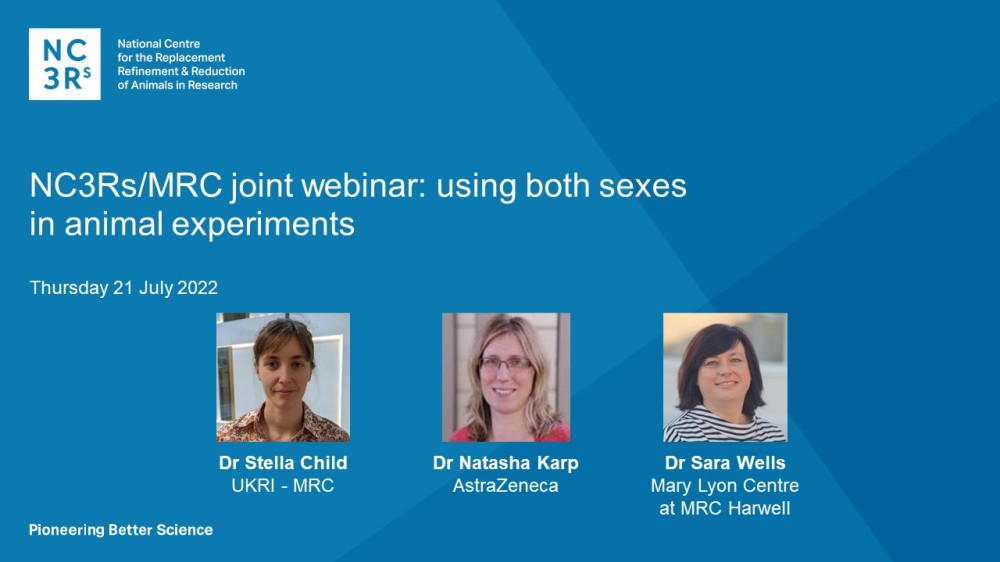
A webinar explaining the importance of using both sexes in animal experiments and things to consider when planning studies.
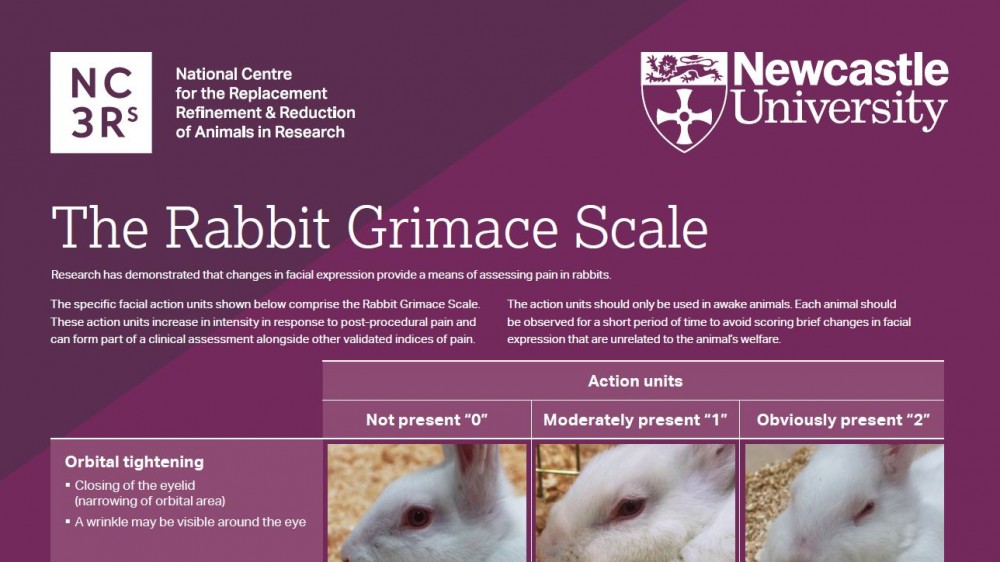
Posters and other resources on the use of grimace scales to assess pain in laboratory animals.
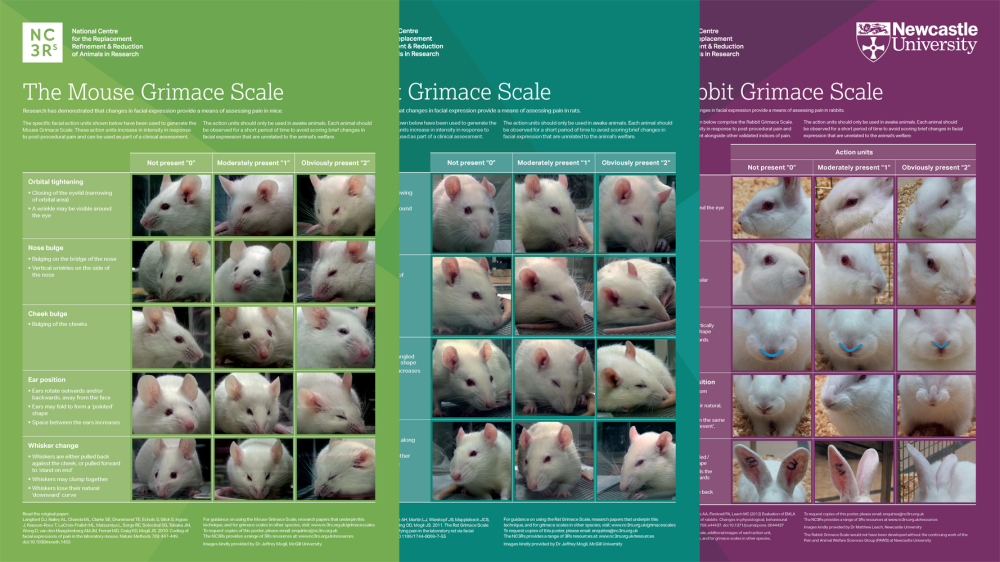
Details of the Rabbit Grimace Scale, including a poster for display in laboratory rooms and corridors.
Information to help refine the housing and husbandry of the laboratory dog.

Techniques for blood sampling in laboratory animal species to ensure the most appropriate technique is chosen.
Information on techniques for sampling blood in the rat, covering non-surgical, surgical and terminal techniques.
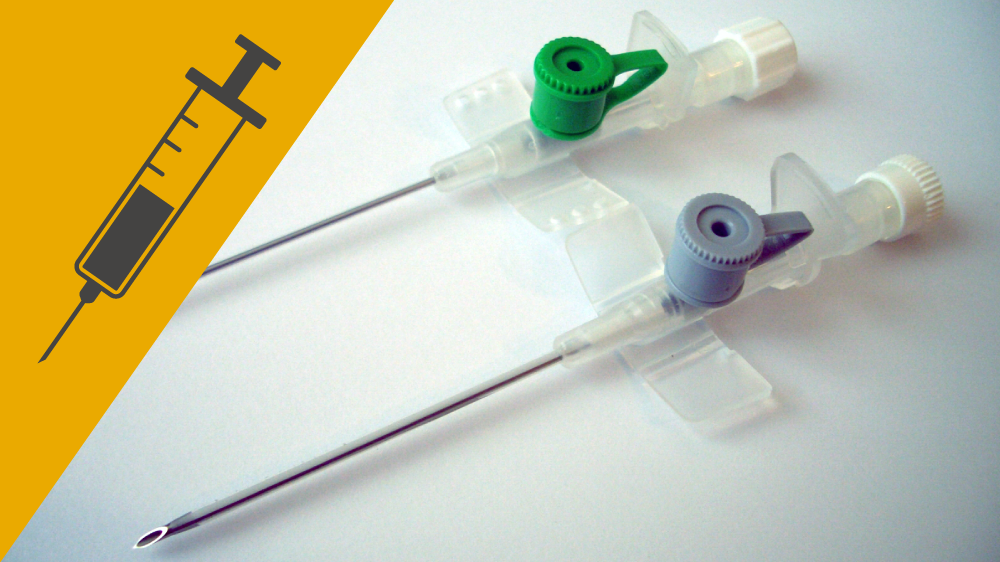
Guidance on catherisation for blood sampling in laboratory animals.
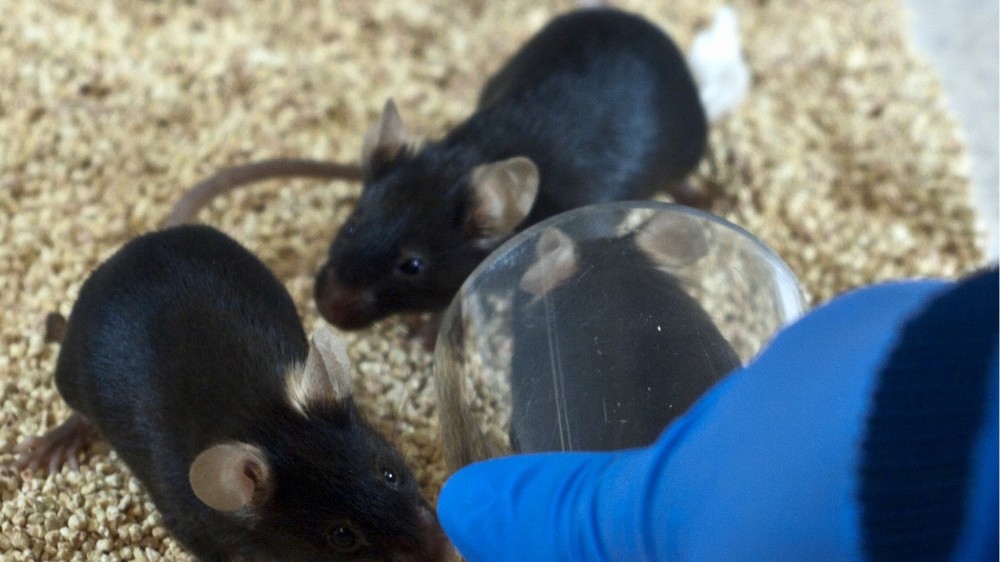
Guidance on non-aversive methods for handling mice. Includes tutorials, FAQs and tips for implementation.
A virtual workshop to raise awareness of currently available New Approach Methodologies (NAMs) and overcome barriers to implementation.

Guidelines on implementing the 3Rs in both field and captive studies.
Find opportunities to collaborate on 3Rs projects via our innovation brokerage platform.